Free AI in Samoa Through Tala Chabot
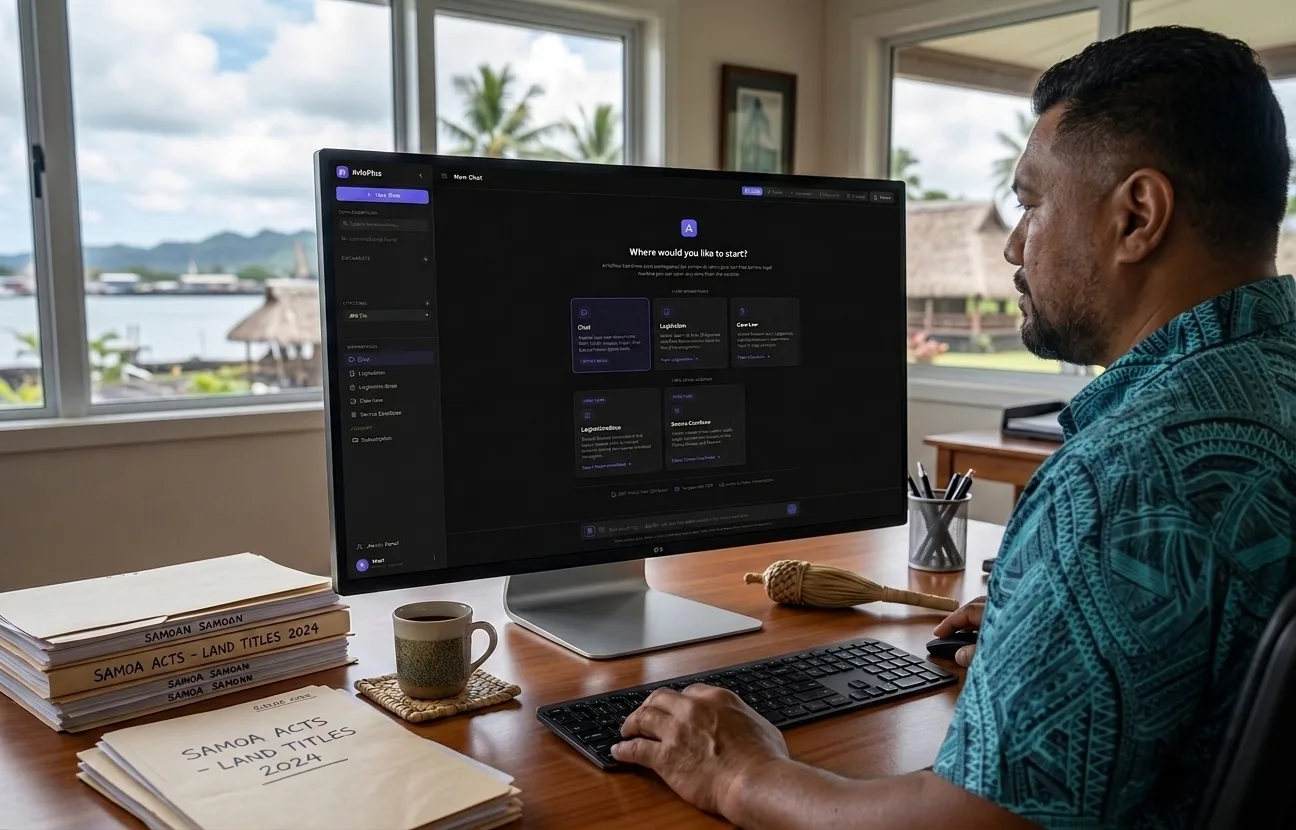
Artificial intelligence is becoming more accessible across the Pacific, and for users in Samoa, free AI tools can offer a practical starting point. Tala Chabot is positioned as an AI platform for Samoa and the Pacific, designed to make conversational AI easier to use for local users, including professionals, students, educators, government teams, and households.
For many people, the appeal of free AI is straightforward: it can help save time, improve drafting, support research, and make everyday digital tasks easier. The key is to understand what such tools can do, where they fit into local workflows, and how to use them responsibly.
What Free AI Can Offer in a Samoan Context
Free AI tools are often used for simple but valuable tasks. In Samoa, this can be especially useful where users need quick support with writing, planning, translation, or idea generation.
Common uses include:
- drafting emails, notices, and reports
- summarising long documents or web pages
- generating lesson ideas and classroom activities
- helping with brainstorming for business marketing
- creating first drafts of social media posts
- supporting study notes and revision
- organising to-do lists and project plans
For small businesses, this can reduce the time spent on routine writing. For educators, it can support lesson preparation. For students, it can help structure thinking and improve productivity. For home users, it can make everyday tasks less time-consuming.
Why Local Relevance Matters
Not all AI tools are equally useful for Pacific users. A platform aimed at Samoa should be able to support local needs, communication styles, and practical use cases. Tala Chabot’s value lies in making AI more approachable for users who want a tool that fits the Pacific context.
Local relevance matters because users in Samoa may need help with:
- clear, plain-language communication
- bilingual or culturally aware drafting
- business content for local audiences
- education support suited to regional learning needs
- government and community communication that is easy to understand
When an AI tool is built with a local audience in mind, it is more likely to be adopted by people who want technology that feels relevant rather than generic.
Practical Ways Professionals and Businesses Can Use It
For businesses and professionals in Samoa, free AI can be a useful assistant rather than a replacement for human judgement. It works best when used to speed up first drafts and support decision-making.
Business use cases
- Customer communication
- AI can help draft replies to enquiries, service updates, and promotional messages.
- Marketing support
- It can generate content ideas for campaigns, captions, product descriptions, and event announcements.
- Internal productivity
- Teams can use AI to summarise meeting notes, outline plans, or create checklists.
- Document drafting
- It can assist with first drafts of proposals, policies, and reports before human review.
Good practice for business users
- review all AI-generated content before sharing
- check facts, dates, names, and contact details
- keep sensitive information out of prompts where possible
- adapt the tone to your audience and organisation
- use AI as a support tool, not an authority
This approach helps businesses gain efficiency without compromising accuracy or professionalism.
Support for Students and Educators
In education, free AI can be helpful when used carefully. Students may use it to explain concepts, generate study prompts, or organise notes. Educators may use it to develop lesson outlines, discussion questions, and classroom examples.
For students
AI can help with:
- breaking down difficult topics
- creating revision questions
- structuring essays and assignments
- improving clarity in written work
- planning study schedules
For teachers and trainers
AI may support:
- lesson planning
- assessment preparation
- activity ideas
- simplified explanations for learners
- communication with parents or guardians
That said, academic integrity remains important. AI should support learning, not replace it. Students should be encouraged to understand the material themselves and cite sources properly where required.
Responsible Use and Practical Limits
Free AI can be useful, but it is not perfect. Like any digital tool, it has limits, and users should be careful about how they rely on it.
Important points to remember:
- AI can make mistakes or produce incomplete answers
- it may not always understand local context accurately
- it should not be used blindly for legal, medical, or financial decisions
- confidential information should be handled with care
- human review is essential for important documents
For organisations in Samoa, the safest approach is to treat AI as a drafting and support tool. Final decisions should remain with qualified people.
Getting the Best Results from Tala Chabot
To make the most of a free AI platform such as Tala Chabot, users should be specific in their requests. Clear instructions usually produce better results.
Tips for better prompts
- state the purpose clearly
- mention the audience
- ask for the tone you want
- include relevant context
- request a format, such as bullet points or a table
Example prompts
- “Draft a polite email to a customer explaining a service delay.”
- “Summarise this report in five bullet points for a management meeting.”
- “Create three social media post ideas for a small business in Samoa.”
- “Explain this topic in simple English for students aged 15 to 18.”
The more clearly you ask, the more useful the response is likely to be.
A Practical Step Towards AI Access in Samoa
Free AI access can help lower the barrier to digital adoption in Samoa and across the Pacific. For many users, it is the easiest way to begin exploring how AI can support work, learning, and daily life.
Tala Chabot offers a route into that experience for people who want a platform aligned with the region. Whether you are running a business, teaching a class, managing public communication, or simply trying to work more efficiently, free AI can provide a practical starting point.
The most effective use comes from combining the speed of AI with human judgement, local knowledge, and careful review. That balance is what makes AI genuinely useful in a Samoan setting.