AI in Schools: What It Could Mean for Samoa and the Pacific
Artificial intelligence is already changing how people search for information, draft text, analyse data, and organise work. In schools, that creates both opportunity and responsibility. For Samoa and the wider Pacific, the most useful question is not whether AI should be part of education, but how it can be used carefully to support teachers, learners, and administrators.
AI tools can help with lesson planning, language support, revision, and routine administrative tasks. At the same time, schools need to think about accuracy, privacy, academic integrity, and fair access. For a region where digital infrastructure, device access, and connectivity can vary between communities, these issues matter even more.
How AI Can Support Teaching
Teachers often spend a significant amount of time on preparation and repetitive tasks. AI can reduce some of that workload by helping with:
- drafting lesson outlines and activity ideas
- generating differentiated exercises for mixed-ability classes
- creating quiz questions and revision prompts
- summarising long texts into simpler language
- suggesting examples and discussion points for different age groups
Used well, these tools can give teachers more time to focus on classroom interaction, feedback, and pastoral care. However, AI should support professional judgement rather than replace it. A lesson plan produced by a tool still needs to be checked for accuracy, age-appropriateness, and cultural fit.
For schools in Samoa and the Pacific, it is especially important that content reflects local context. A generic AI response may not understand local examples, curriculum priorities, or community values unless the user gives clear instructions.
Benefits for Students
Students can also use AI as a learning aid when it is introduced responsibly. In practice, this might include:
- Explaining difficult concepts in simpler terms.
- Practising writing by reviewing structure, grammar, and clarity.
- Studying for tests through quizzes and flashcards.
- Supporting language learning through translation and vocabulary prompts.
- Encouraging independent revision outside the classroom.
These uses can be helpful, particularly for students who need extra support or who learn at different speeds. AI can also make it easier to get started on a task when a student is unsure how to begin.
That said, schools should teach students that AI outputs are not automatically correct. Learners need to check facts, compare sources, and avoid copying generated answers as their own work. The goal should be to build understanding, not dependency.
School Administration and Operations
AI is not only useful in the classroom. School leaders and administrative teams may also benefit from it in day-to-day operations. Possible uses include:
- drafting notices to parents and guardians
- summarising meeting notes
- organising timetables and task lists
- categorising enquiries or requests
- helping with basic reporting and document formatting
For schools with limited staff capacity, these time-saving tools can be valuable. Even small efficiency gains may free up time for student support and communication with families.
Still, administrators should be cautious with sensitive information. Student records, disciplinary matters, health details, and financial data should not be entered into tools without clear approval, secure systems, and a proper data-handling policy.
Key Risks Schools Need to Manage
AI in schools brings practical benefits, but the risks are real. A balanced approach should consider the following:
Accuracy and Hallucinations
AI systems can produce confident but incorrect answers. In a school setting, this can mislead students or create poor teaching materials. Staff should verify important content before using it.
Privacy and Data Protection
Schools handle personal and often sensitive information. If AI tools are used without proper safeguards, data could be exposed or stored in ways that are not appropriate. Schools should be clear about what can and cannot be shared with external platforms.
Academic Integrity
If students rely on AI to write assignments, schools may struggle to assess genuine understanding. Clear rules are needed on what counts as acceptable support and what counts as misuse.
Unequal Access
Not every student has the same device access, internet connection, or digital confidence. If AI becomes part of learning, schools should avoid creating unfair advantages for those with better technology at home.
Bias and Cultural Fit
AI systems may reflect biases in the data they were trained on. They may also miss local language, customs, and Pacific perspectives. Teachers should review outputs carefully and adapt them to the classroom context.
Practical Steps for Schools in Samoa
Schools do not need to adopt AI everywhere at once. A gradual and structured approach is usually more sensible. Practical steps include:
- Set a clear policy on acceptable use by staff and students.
- Choose approved tools rather than allowing unchecked use of random platforms.
- Train teachers to use AI critically and effectively.
- Teach students digital literacy, including fact-checking and source evaluation.
- Protect personal data with clear rules on what information can be entered into AI systems.
- Start with low-risk uses such as drafting, brainstorming, and revision support.
- Review outcomes regularly to see what works and what needs adjustment.
A pilot approach can help schools learn from real experience before wider rollout. This is often more manageable than introducing AI across the whole institution at once.
What Good AI Use Looks Like in Classrooms
The best use of AI in schools is usually one that is transparent, supervised, and purposeful. For example, a teacher might use AI to create three versions of a worksheet for different ability levels, then edit the content to match the curriculum. A student might use AI to explain a science concept, then write a summary in their own words and discuss it with the teacher.
In both cases, the technology is a support tool rather than a shortcut. That distinction matters. Schools that focus on learning outcomes, critical thinking, and responsible use are more likely to benefit from AI without weakening educational standards.
A Regional Opportunity for Education
For Samoa and the Pacific, AI should be seen as part of a wider education strategy that includes digital skills, teacher development, and equitable access. The region has an opportunity to adopt tools that improve efficiency and learning support while still protecting local values and educational priorities.
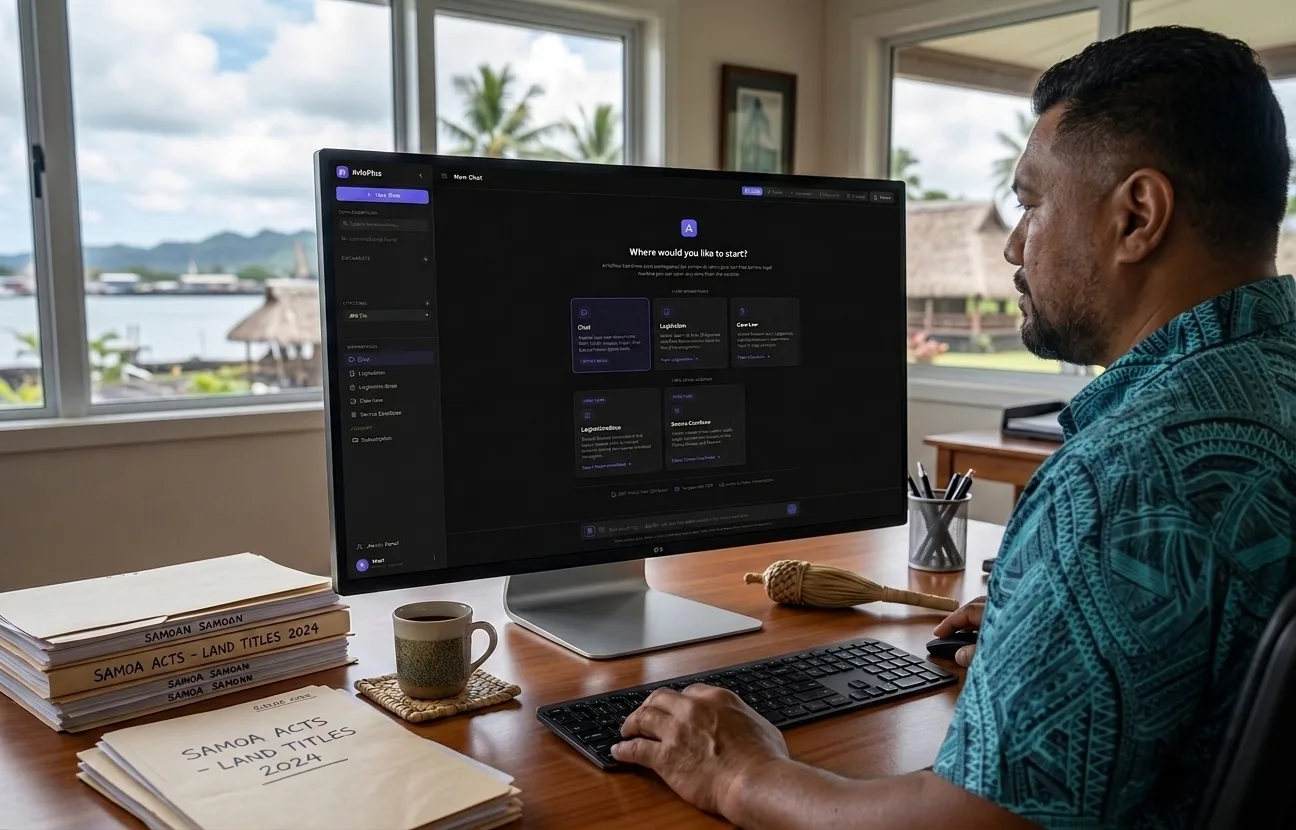
ARLO+ can play a role in that transition by giving teachers, students, and education leaders a practical AI platform designed with the Pacific context in mind. The strongest results will come when schools combine technology with clear policies, skilled staff, and a commitment to responsible use.
As AI becomes more common in education, the schools that benefit most will likely be those that use it thoughtfully: not as a replacement for teaching, but as a tool to strengthen it.
Sources
No external source material was provided for this topic. This article is based on general knowledge and practical guidance tailored for Samoa and the Pacific region.